Building Wealth Through Investments in New Zealand Art and Culture
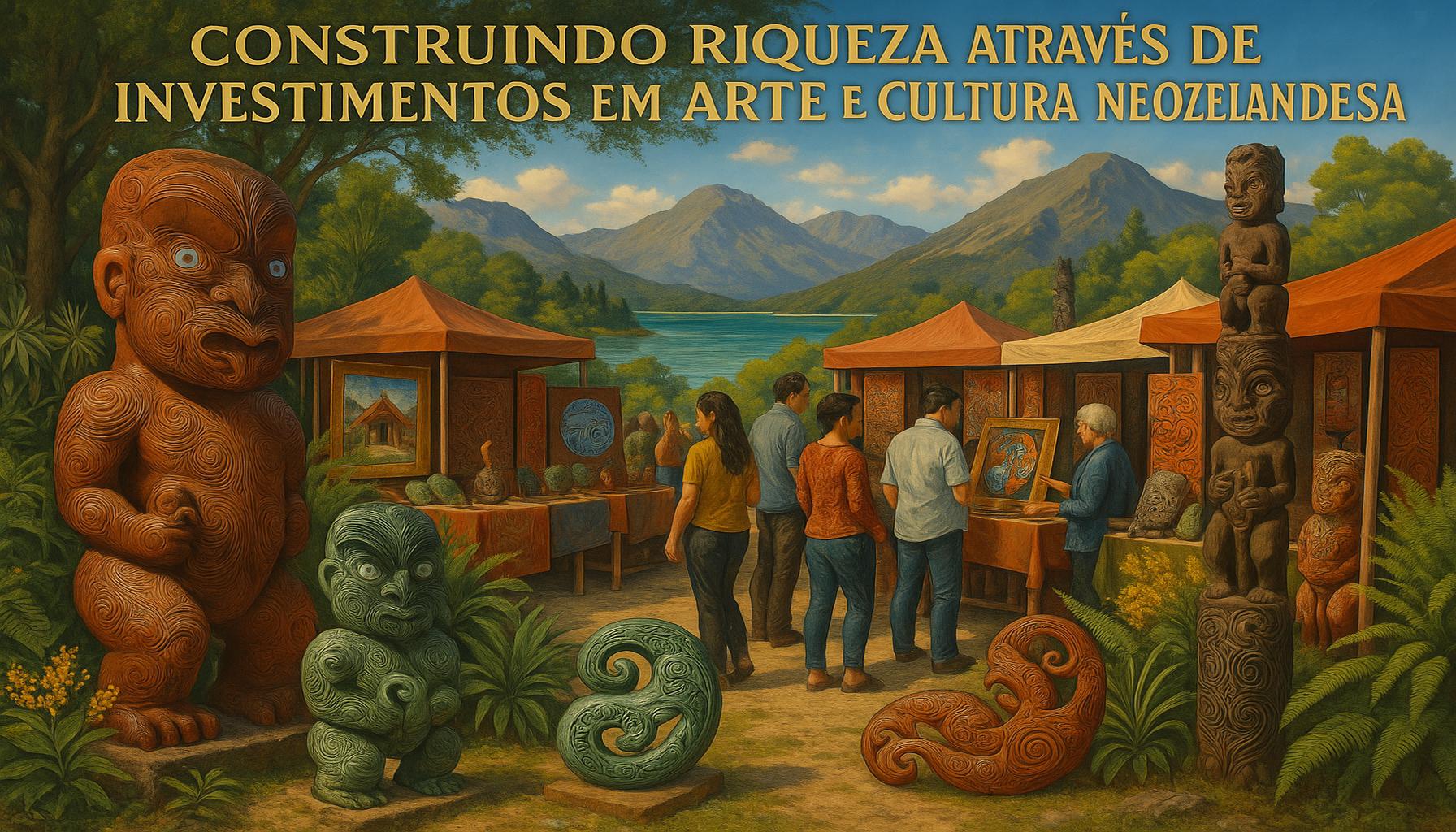
Introduction
Investing in New Zealand art and culture provides not just an aesthetic experience, but also a viable strategy for wealth enhancement. New Zealand boasts a rich tapestry of heritage and a dynamic contemporary art scene, which can yield impressive returns for investors prepared to engage thoughtfully with the market. To successfully tap into this potential, it’s essential to adopt specific strategies and leverage local resources effectively.
Reasons to Invest
- Cultural Significance: Investing in art is not merely a financial decision; it serves to support local artists and helps preserve New Zealand’s unique cultural heritage. By acquiring works from New Zealand artisans, you contribute to the sustainability of their craft and the enrichment of the national identity.
- Market Growth: Currently, the art market in New Zealand is experiencing noticeable growth, driven by an increasing number of art fairs, galleries, and public exhibitions. For instance, the annual Auckland Art Fair has become a prominent event, attracting international attention and investment, making it an opportune moment for investors.
- Diverse Portfolio: Including art in your investment portfolio can offer a hedge against the volatility often seen in traditional markets like stocks and bonds. Art is considered a tangible asset and can appreciate over time, providing a level of stability in uncertain financial climates.
Investment Strategies
- Research: Before diving in, invest time in understanding the trends within New Zealand’s art scene. Follow local art publications and blogs, attend exhibitions, and familiarize yourself with emerging artists to identify what resonates with collectors.
- Join Local Galleries: Establish relationships with local galleries to gain valuable insights into the market. Attend their openings and seek their expertise on current works that are undervalued or rising stars in the art community.
- Attend Auctions: Auctions can be excellent venues for discovering hidden gems. As you participate, keep an eye out for works that are either by up-and-coming artists or those that have a strong connection to New Zealand’s cultural narrative, as these can have significant future value.
By adopting a practical approach to investing in New Zealand’s art and culture, you can significantly alter your financial landscape. Equip yourself with relevant knowledge, actively engage with the local art community, and use strategic methods to position yourself for potential high returns. Take the first step today and start building a valuable collection that not only enriches your life but also contributes to New Zealand’s vibrant cultural landscape.
SEE ALSO: Click here to read another article
Understanding the Art Market
To build wealth through investments in New Zealand art and culture, it is crucial to first understand the dynamics of the local art market. This market is characterized by its unique influences, which stem from historical, social, and cultural contexts. Below are key aspects to consider when evaluating potential investments.
Identifying Key Influences
- Local Culture: New Zealand’s indigenous Māori culture is a foundational element that impacts contemporary artistic expressions. Works that include Māori themes, traditional techniques, or contemporary interpretations of cultural narratives often resonate deeply with both local and international collectors. For instance, the inclusion of traditional Māori carving techniques in modern sculptures can appeal to buyers who value cultural heritage, while also promising future appreciation in value.
- Art Movements: Emerging art movements in New Zealand reflect the country’s evolving societal values. For example, the rise of eco-art, which addresses environmental concerns, has garnered significant attention and investment interest. Keep an eye on exhibitions that showcase such movements, as they may provide unique investment opportunities that align with current trends in society, increasing their potential value.
- Artist Reputation: The reputation and previous sales history of artists are crucial in determining the pricing and future value of their works. Research artists who have received accolades or have had their work featured in prestigious exhibitions, such as the Auckland Art Fair or the Biennale. Emerging talents gaining recognition can also be worthwhile investments if they show consistent artistic development and growth in their audience.
Engaging with the Community
Building a network within the local art community is essential for successful investment. Engaging actively will not only improve your investments but also enrich your understanding of the art landscape. Here are actionable steps to enhance your engagement:
- Attend Art Openings: Regularly visiting galleries and art fairs will give you access to the latest works and trends. For example, check out openings at local galleries in Wellington or Auckland. These events provide opportunities to converse with artists and curators, offering firsthand knowledge about what is currently in demand.
- Participate in Workshops: Joining workshops hosted by local artists or galleries enhances your appreciation for different art forms. Engaging directly with the creative process can provide insight into artistic techniques and trends, helping inform your investment decisions. Look for workshops in community art centres or universities that offer specialized programs.
- Follow Art Collectors: Connecting with established collectors can provide valuable insights into successful investment strategies. Utilize social media platforms like Instagram or join local online forums to engage with experienced collectors. Learning from their successes and setbacks can sharpen your own investment techniques.
By understanding the nuances of the art market and actively engaging with the community, you will be better equipped to make informed investment decisions. These steps will not only improve your potential for financial gain but also deepen your appreciation of New Zealand’s rich artistic landscape. Remember, being proactive in your investments—armed with knowledge and connections—is essential to thriving in this unique market.
SEE ALSO: Click here to read another article
Evaluating Investment Opportunities
To effectively build wealth through investments in New Zealand art and culture, it’s imperative to develop a keen eye for evaluating potential artworks. This evaluation process encompasses various factors that can significantly influence an artwork’s financial viability and appreciation over time.
Assessing Art Quality and Authenticity
- Artistic Merit: When considering an artwork, assess the overall quality and craftsmanship. Look for pieces that exhibit significant technical skills and a unique creative vision. Attending established exhibitions and observing awarded artworks can provide benchmarks for quality you should seek.
- Provenance: Investigate the artwork’s history, including previous ownership and exhibition history. A piece with a well-documented provenance tends to draw higher interest and can fetch better resale values in the future. Ensure that any acquisition includes certificates of authenticity where applicable.
- Condition and Preservation: Examine the physical condition of an artwork before making a purchase. The quality of the materials used, along with proper maintenance, plays a crucial role in sustaining value. Consult with restorers or conservators when evaluating significant pieces.
Understanding Market Trends
Staying updated on market trends in New Zealand can help inform your investment decisions. Use the following strategies to monitor trends effectively:
- Follow Auction Results: Keep an eye on auction houses such as Webb’s and Dunbar Sloane, which regularly hold sales of New Zealand art. Reviewing auction results can provide insights into price fluctuations and popular artists.
- Engage with Art Publications: Subscribe to art journals and magazines pertinent to New Zealand art, like Art New Zealand or Art Collector. These publications often feature articles on emerging artists, market analysis, and shifts in public interest that can guide your investment strategies.
- Listen to Expert Analysis: Attend panel discussions or lectures featured by art critics and curators. Platforms such as Te Papa and local art schools frequently host events that delve into art trends and evaluation methodologies, providing invaluable insights from experts in the field.
Diversifying Your Art Portfolio
Just like any investment strategy, diversifying your art portfolio can mitigate risks and enhance your long-term wealth-building capacity:
- Invest Across Mediums: Explore a mix of different art forms, such as paintings, photography, sculpture, and installations. Different mediums can experience varied demand patterns in the market. Keeping a diverse range ensures that your portfolio is not entirely reliant on one type of artwork.
- Support Emerging Artists: Consider investing in promising artists who are just starting out but show potential for growth. Purchasing their work at an earlier stage can lead to significant returns if they gain recognition in later years, elevating the value of your investment.
- Consider Cultural Artifacts: Look beyond contemporary art and explore cultural artifacts that hold historical significance. These items often have intrinsic value and can yield appreciation over time, as their relevance within culture and history is recognized by collectors.
By carefully assessing art quality and provenance, staying informed about market trends, and diversifying your art portfolio, you can enhance your capabilities as an investor in New Zealand’s vibrant art scene. Each of these strategies enables informed decision-making, paving the way for successful investments that not only contribute to your wealth but also support the cultural tapestry of New Zealand.
SEE ALSO: Click here to read another article
Conclusion
Investing in New Zealand art and culture presents a unique opportunity for wealth building, but achieving success in this field requires precision and strategy. To maximize your investment potential, always start with thorough research regarding artistic merit, provenance, and condition. Understanding these foundational aspects will ensure that you make informed decisions that align with your financial goals.
Additionally, monitoring market trends is essential. By staying engaged with auction results and art publications, you can gain insights that sharpen your competitive edge. Attend exhibitions and engage with the local art community; these connections can lead to valuable information and potential investment opportunities.
It’s also critical to diversify your investments across various mediums and artists, which can safeguard your portfolio against market volatility. Investing in emerging artists not only supports the local creative community but can yield significant returns if those artists achieve higher recognition. Furthermore, consider the value of cultural artifacts, as they often appreciate over time due to their historical significance.
In summary, building wealth through investments in New Zealand art and culture requires a calculated approach. By prioritizing evaluation, market awareness, and portfolio diversification, you will not only enhance your financial prospects but also contribute meaningfully to the rich cultural landscape of New Zealand. This dual benefit underscores the value of your investment and encourages a thriving artistic community.

Linda Carter
Linda Carter is a writer and financial expert specializing in personal finance and financial planning. With extensive experience helping individuals achieve financial stability and make informed decisions, Linda shares her knowledge on the our platform. Her goal is to empower readers with practical advice and strategies for financial success.