How Credit Cards Can Influence Your Credit Score and Access to Loans in New Zealand
Understanding the Importance of Credit Cards in New Zealand
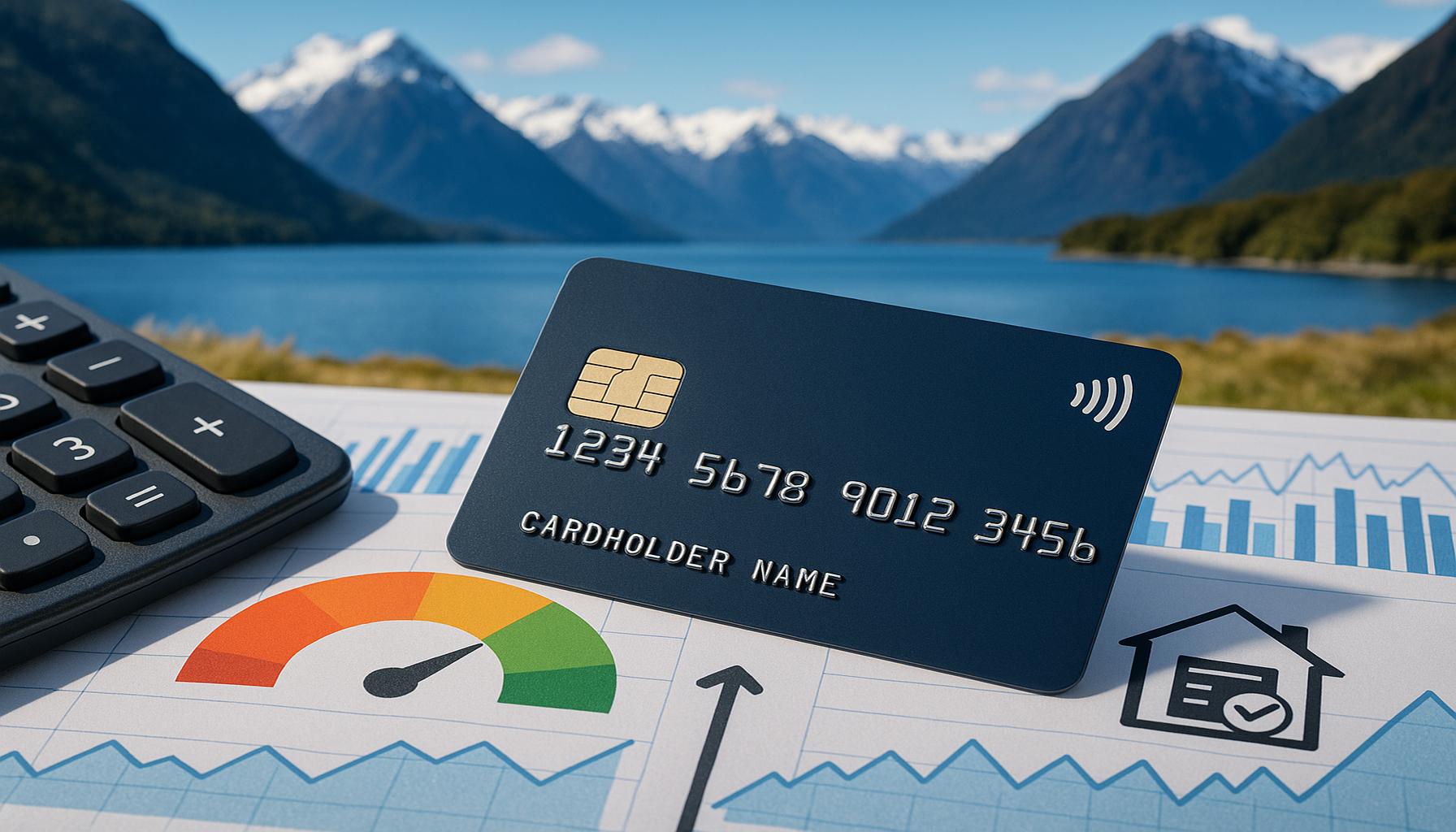
Credit cards are more than just a convenient payment method; they are a vital component in building and maintaining your credit score. This score is a numerical representation of your creditworthiness and is essential for accessing various financial services. As a resident of New Zealand, being aware of how credit cards affect your credit score can significantly impact your financial journey.
The Benefits of a Good Credit Score
A positive credit score can be highly advantageous, especially when you are looking to borrow money. In New Zealand, a good credit score can unlock the following benefits:
- Lower interest rates on loans: Lenders offer better rates to individuals with higher credit scores, meaning you pay less in interest over time.
- Easier approval for mortgages: A strong credit score showcases your reliability, making banks more likely to approve your home loan application.
- Access to higher loan amounts: With a good credit score, lenders may be willing to grant larger loan amounts, allowing you to make significant purchases or investments.
Consequences of Credit Card Mismanagement
On the flip side, improper management of credit cards can lead to detrimental effects on your credit score. Key factors that influence your credit health include:
- Utilisation of your credit limit: High credit utilisation can lower your score. Aim to keep your balance below 30% of your credit limit.
- Payment history: Late or missed payments can have a significant negative impact on your score. Consistency is crucial.
- The length of your credit history: A longer history of responsible credit use enhances your score. Avoid closing old credit accounts even if they are unused.
Strategies to Improve Your Credit Health
Enhancing your credit score requires deliberate action. Implement the following strategies for effective credit management:
- Make payments on time: Set up automatic payments or reminders to ensure you never miss a due date.
- Keep your card balances low: Use your credit cards sparingly and pay off the balances each month to avoid interest charges.
- Regularly check your credit report: By monitoring your credit report for errors or fraudulent activity, you can take corrective actions promptly.
Take Charge of Your Financial Future
By understanding the significance of credit cards and actively managing your credit score, you are taking essential steps toward a healthier financial future. Implement these strategies to improve your chances of securing loans in New Zealand and achieve your personal financial goals efficiently.
CHECK OUT: Click here to explore more
Factors That Contribute to Your Credit Score
Understanding how credit cards influence your credit score is essential for effectively managing your financial health. In New Zealand, your credit score is calculated based on several key factors, which include payment history, credit utilisation, length of credit history, new credit inquiries, and types of credit used. Here’s a breakdown of these elements:
- Payment History: This is the most significant factor, accounting for approximately 35% of your credit score. Timely payments on your credit card bills are crucial. Any late or missed payment can cause a considerable drop in your score. To maintain a strong credit rating, ensure that you pay your credit card bill in full by the due date each month.
- Credit Utilisation Ratio: This refers to the amount of credit you are using compared to your total credit limit, impacting about 30% of your score. Keeping your credit utilisation below 30% is ideal. For instance, if your credit limit is $10,000, you should aim to keep your outstanding balance under $3,000.
- Length of Credit History: This accounts for around 15% of your credit score. The longer your accounts have been active, the better it reflects on your creditworthiness. Consider keeping older credit cards open, even if you don’t use them frequently.
- New Credit Inquiries: Hard inquiries occur when you apply for new credit, and they can slightly decrease your score. Limit the number of applications for new credit cards or loans within a short period to minimize impact.
- Types of Credit: A diverse mix of credit accounts—such as credit cards, personal loans, and mortgages—can positively influence your score, making up about 10%. However, avoid opening new accounts solely to diversify your credit mix.
How to Use Credit Cards to Your Advantage
Credit cards are powerful tools when used correctly. To leverage credit cards for a better credit score and increased access to loans, consider the following actions:
- Stay Within Your Limit: Avoid maxing out your credit cards. Regularly check your balances and keep the amounts charged well below your credit limit.
- Pay More Than the Minimum: Whenever possible, pay more than just the minimum payment required. This helps reduce your overall debt and demonstrates strong financial management.
- Use Credit Responsibly: Use your credit cards for small purchases that you can pay off immediately, establishing a consistent payment pattern.
- Set Alerts for Due Dates: Use mobile apps or calendar reminders to keep track of payment due dates, ensuring timely payments every month.
By implementing these strategies, you can create a positive cycle where responsible credit use leads to a higher credit score, ultimately granting you easier access to loans and better interest rates when you need them.
SEE ALSO: Click here to read another article
Consequences of Poor Credit Card Management
Mismanagement of credit cards can have a negative impact on your credit score and, consequently, your ability to secure loans. It is crucial to understand the potential repercussions and how to avoid them:
- Increased Debt: Accumulating a balance that exceeds 30% of your credit limit can significantly lower your credit score. If you habitually exceed your limits, lenders may view you as a high-risk borrower, complicating your prospects for loans.
- Late Payments: If you fail to make payments on time, it will be reported to credit agencies. A single late payment can remain on your credit report for up to five years. This can severely affect your credit score, making it challenging to obtain financing in the future.
- Defaulting on Payments: Should you reach a point where you cannot meet your credit obligations, defaulting will bring your credit score down substantially. In New Zealand, lenders may take legal action to collect outstanding debts, which can also lead to further financial complications.
- Frequent Hard Inquiries: Applying for multiple credit cards in a short span increases hard inquiries, which can negatively influence your credit score. Limit new applications and space them out to lessen the impact of these inquiries.
Strategies to Improve Your Credit Score with Credit Cards
Improving your credit score requires a proactive approach. Here are practical steps you can take using your credit cards:
- Regular Monitoring of Your Credit Report: Obtain a free credit report annually from credit reporting agencies in New Zealand. Review it for inaccuracies or errors and report any discrepancies promptly to ensure they are rectified.
- Keep Credit Accounts Active: Use your credit cards at least once every few months to keep them active. This behaviour positively reflects on your credit history and boosts your score.
- Consider a Balance Transfer Card: If you have existing high-interest debt on one card, consider a balance transfer. This allows you to consolidate debt onto a card with a lower interest rate, facilitating faster repayment and reducing total interest paid.
- Limit Your Number of Credit Cards: While having a diverse mix of credit can be beneficial, too many credit cards can lead to confusion and mismanagement. Keep only the number of credit cards you can efficiently handle to maintain good control over payments.
By following these steps, you not only work towards repairing any damage done by poor credit habits but also create a solid foundation for building creditworthiness. By making informed choices with your credit cards, you enhance your ability to access loans and obtain more favourable terms when necessary.
SEE ALSO: Click here to read another article
Conclusion
In summary, managing your credit cards responsibly is essential for maintaining a healthy credit score, which directly influences your access to loans in New Zealand. The way you handle your credit cards can either bolster your creditworthiness or diminish it significantly, impacting your ability to secure financial support when needed.
To avoid negative consequences, focus on keeping your balances low, ideally below 30% of your credit limit, and make timely payments to ensure that you are viewed as a reliable borrower by lenders. Regular checks on your credit report can help you identify any discrepancies that may harm your score and allow for timely corrections.
Moreover, take proactive steps like using your credit cards regularly to keep them active and considering balance transfer options for existing debt, which can streamline your payments and lower your financial burden. Finally, be mindful of the number of credit cards you maintain; having too many can lead to confusion and potential mismanagement.
By adopting informed strategies and exercising discipline in your credit habits, you not only safeguard your credit score but also position yourself favourably for future loan applications. A solid credit score opens doors to better interest rates and improved financial opportunities, making it essential to prioritize your credit management as part of your overall financial health in New Zealand.

Linda Carter
Linda Carter is a writer and financial expert specializing in personal finance and financial planning. With extensive experience helping individuals achieve financial stability and make informed decisions, Linda shares her knowledge on the our platform. Her goal is to empower readers with practical advice and strategies for financial success.