The Benefits and Risks of Using Credit Cards in Denmark
The Financial Landscape of Credit Cards in Denmark
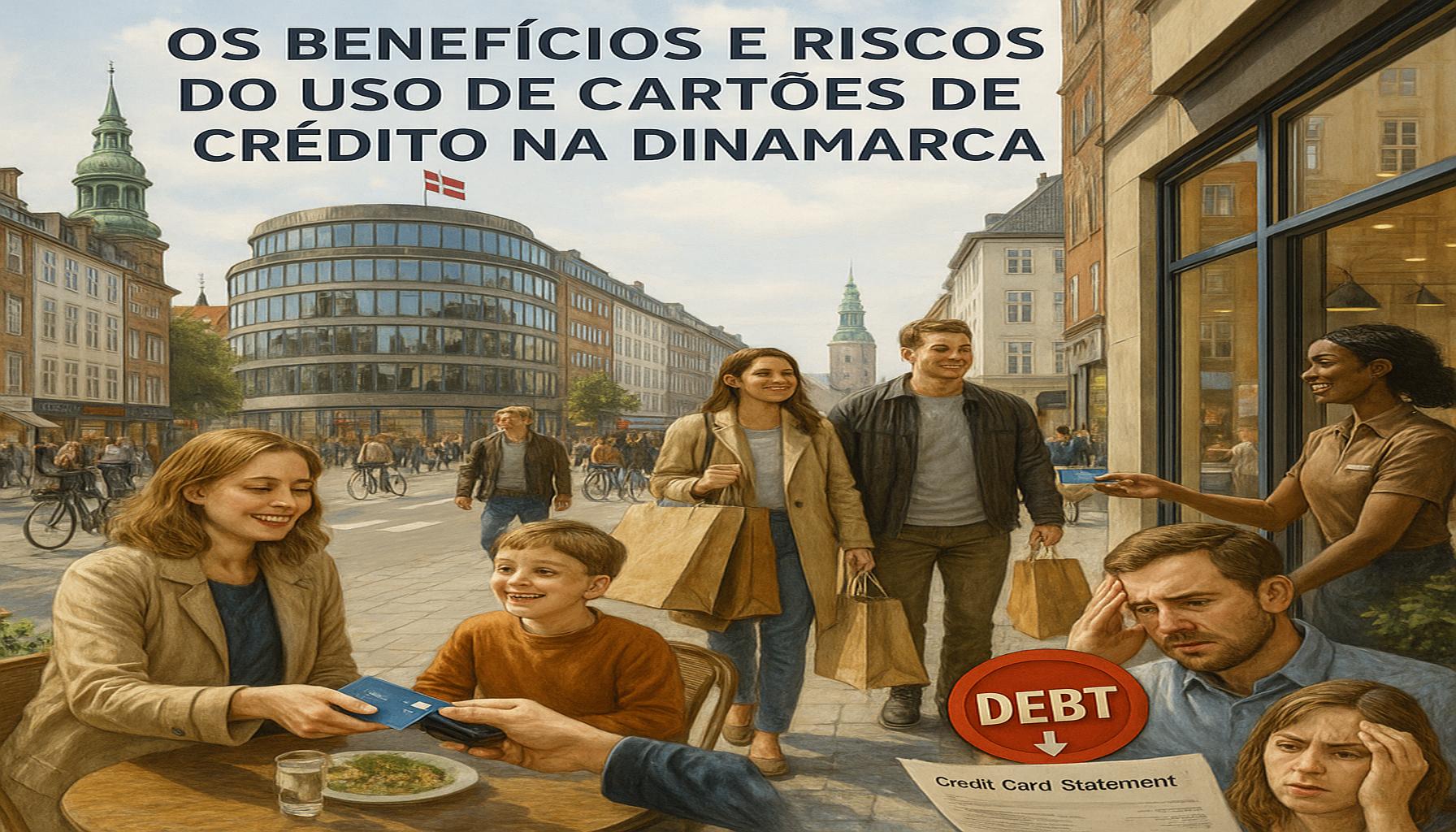
Credit cards are widely used in Denmark and offer various advantages, but they also come with significant responsibilities. Understanding the nuances of credit card use can make a substantial difference in your financial health. Below is an exploration of both the positive and negative aspects of credit cards, along with practical tips for navigating the credit landscape.
Benefits of Using Credit Cards
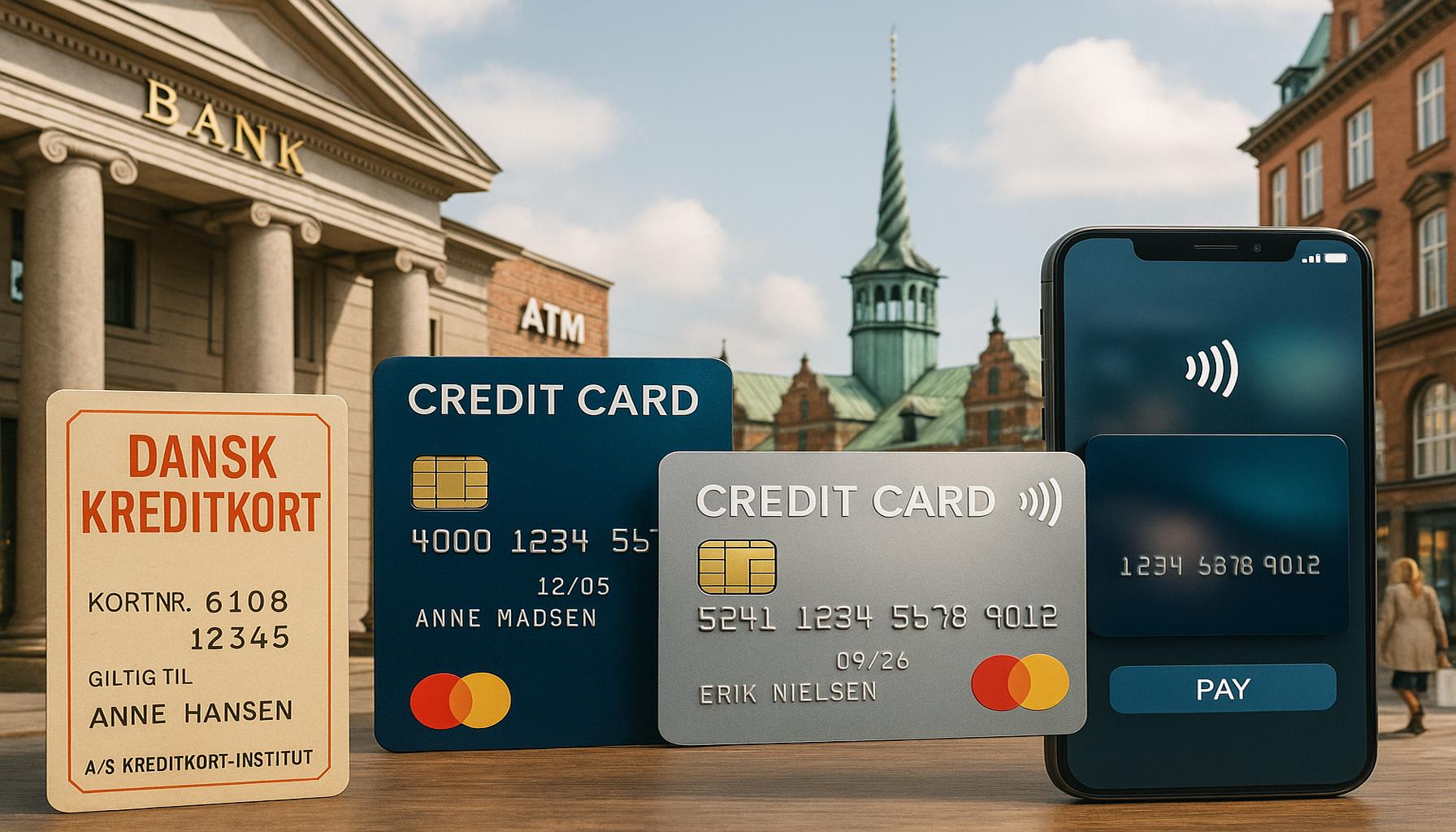
- Convenience for Everyday Purchases: Credit cards provide a seamless method for transactions. Whether purchasing groceries, dining out, or booking travel, using a credit card is often quicker and more efficient than cash. Most locations in Denmark accept credit cards, making them a versatile option for daily expenses.
- Rewards Programs and Cash Back Opportunities: Many credit cards in Denmark come with rewards programs that allow you to earn points or cash back on your purchases. For example, some cards may offer 1% cash back on all purchases, while others might provide additional rewards for specific categories like travel or dining, which can significantly enhance your purchasing power.
- Building Your Credit History: Responsible use of a credit card can help cement a solid credit history. Timely payments and lower credit utilization ratios can improve your credit score, making it easier to secure loans for larger purchases, such as a home or car, in the future.
Identifying the Risks
- Potential for Overspending and High-Interest Debt: Credit cards can tempt individuals to spend beyond their means. If you consistently charge more than you can repay, you may find yourself accumulating high-interest debt, which can have long-term financial implications.
- Fees for Late Payments and Cash Advances: Missing due dates can lead to significant late fees or a spike in interest rates. Additionally, if you need cash and opt for a cash advance, be aware that these transactions often come with hefty fees and high interest that starts accruing immediately.
- Impact on Credit Score from Mismanagement: Poor management of your credit card, such as late payments or maintaining high balances, can damage your credit score. This, in turn, affects your chances of obtaining future credit or securing better interest rates.
Practical Tips for Credit Card Users in Denmark
Before you begin using a credit card in Denmark, keep these steps in mind:
- Research Different Credit Card Options: Familiarize yourself with the various credit card offerings available in Denmark. Look for cards that align with your spending habits and come with appealing rewards or low fees.
- Understand the Terms and Conditions Thoroughly: Read the fine print of any credit card agreement. Pay close attention to interest rates, fees, and rewards structures to avoid any surprises in the future.
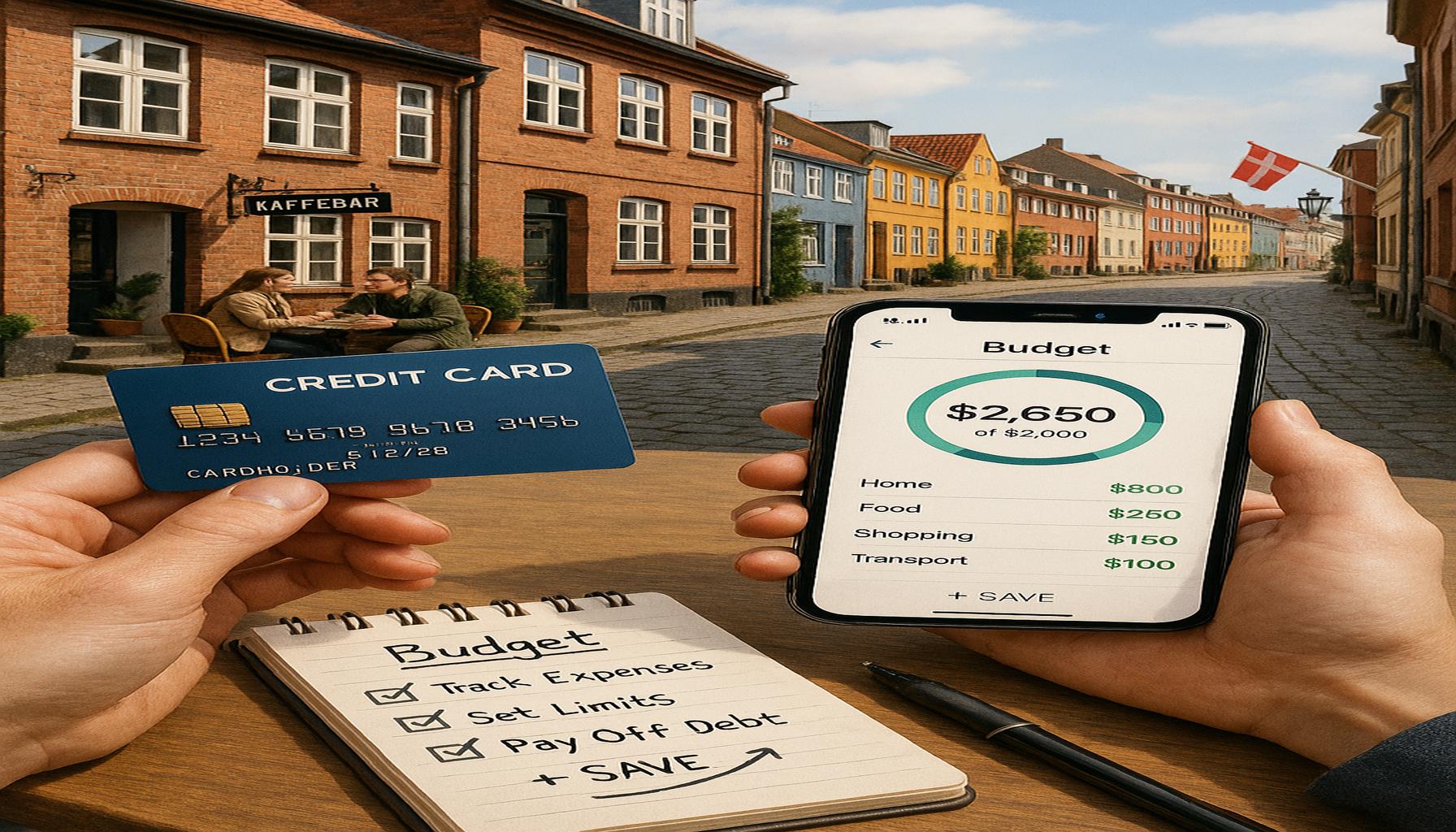
- Set a Budget to Manage Payments Effectively: Create a realistic budget that incorporates your credit card expenses. This will help you track your spending and ensure timely payments, thereby safeguarding your credit score.
By taking the time to evaluate these aspects, you can make informed decisions and leverage the benefits of credit cards while minimizing the risks associated with them. With adequate knowledge and responsible usage, credit cards can indeed become a valuable asset in your financial toolkit in Denmark.
SEE ALSO: Click here to read another article
Understanding Credit Card Usage in Denmark
Advantages of Credit Card Use
Utilizing a credit card can offer significant advantages for consumers living in Denmark. Here are some key benefits that enhance everyday financial transactions:
- Ease of Transactions: Credit cards are widely accepted across Denmark, making them an effective choice for everyday purchases. From grocery shopping to online services, using a credit card streamlines payments and reduces the need for cash.
- Access to Credit During Emergencies: Credit cards provide a safety net by allowing users to access funds when unexpected expenses arise, such as medical emergencies or urgent repairs. This ability to borrow money quickly can be crucial when immediate cash is unavailable.
- Enhanced Security Features: Most credit cards come equipped with various security measures that protect against fraud, such as chip technology and the ability to freeze accounts remotely. This added layer of security can provide peace of mind compared to carrying cash.
- Travel Benefits: Many credit cards offer specific benefits for travelers, including travel insurance, no foreign transaction fees, and the option to earn frequent flyer miles. These perks can significantly enhance the travel experience and save money for frequent travelers.
- Budgeting Tools and Alerts: Many credit card providers offer mobile apps that help track spending, categorize expenses, and send alerts for payments. This feature can assist in managing finances effectively, helping to avoid overspending.
Risks to Consider
While credit cards can offer significant benefits, they also come with certain risks that users should be aware of. Here are some of the primary concerns:
- Risk of Debt Accumulation: The convenience of credit cards might lead to overspending and accumulated debt, especially if purchases exceed one’s budget. It is essential to maintain spending discipline to avoid falling into financial strain.
- High-Interest Rates: Many credit cards in Denmark charge high-interest rates on unpaid balances. If the balance is not paid in full each month, the interest can quickly accumulate, making it challenging to pay off the debt.
- Fees and Penalties: Late payment fees can add up quickly if payments are missed, reducing the overall benefits of having a credit card. Moreover, certain transactions like cash advances come with additional fees, further increasing costs.
- Impact on Credit Rating: Mismanagement of credit cards, such as high utilization or late payments, can negatively affect credit scores. A lower credit score can lead to higher interest rates on loans, affecting future financial opportunities.
Being well-informed about these advantages and risks is crucial for effective credit card management in Denmark. By understanding these points, users can navigate their financial choices more confidently and responsibly.
CHECK OUT: Click here to explore more
Managing Credit Cards Effectively
Best Practices for Credit Card Use
To take full advantage of credit cards while minimizing risks, consider implementing these best practices:
- Create a Budget: Establish a realistic budget that clearly outlines your monthly expenses and income. Allocate a specific portion for credit card usage to ensure you stay within your spending limits. Regularly review and adjust your budget to reflect changes in income or expenses.
- Pay the Full Balance Each Month: Aim to pay off your entire credit card balance by the due date to avoid accruing interest. Set up reminders or automate payments to ensure timely payment, thus maintaining your credit score and avoiding late fees.
- Use Alerts Wisely: Enable transaction alerts through your credit card issuer’s mobile app. These alerts can notify you of new charges, upcoming payment dates, and spending limits, allowing you to stay on top of your finances and quickly identify any unauthorized transactions.
- Understand the Terms and Conditions: Familiarize yourself with the credit card’s terms, including interest rates, fees, and rewards programs. Knowing these details enables you to make informed decisions and utilize your card to its fullest potential.
- Utilize Rewards Effectively: If your credit card offers rewards or cash back, strategically use it for purchases that yield the highest returns. For instance, using your card for grocery shopping or fuel can accumulate rewards faster, leading to significant savings or perks over time.
When to Avoid Using Credit Cards
There are specific scenarios where using a credit card may not be advisable. Recognizing these situations can help you maintain financial stability:
- When Unsure of Repayment Ability: Avoid using a credit card for large purchases if you are uncertain about your ability to pay it off within the billing cycle. In such cases, consider saving for the purchase instead.
- For Everyday Purchases Beyond Your Means: If purchasing everyday items such as coffee or lunch on credit consistently stretches your budget, it may signal a need to reevaluate your spending habits. It’s often more manageable to use cash or a debit card for these lower-value transactions.
- To Fund a Lifestyle You Cannot Afford: Many consumers fall into the trap of using credit to support an extravagant lifestyle. It’s important to differentiate between needs and wants and only use credit for necessary expenses, rather than lifestyle inflation.
Evaluating Credit Card Options
Choosing the right credit card can significantly impact your financial experience. When evaluating credit card options, consider the following factors:
- Interest Rates: Look for credit cards with lower annual percentage rates (APRs) to minimize costs associated with carrying a balance. Cards offering introductory 0% APR promotions can be particularly beneficial for large purchases.
- Fees: Examine all potential fees, including annual fees, late payment fees, and foreign transaction fees. Select a card that aligns with your spending habits to avoid unnecessary expenses.
- Credit Limit: Understand your credit limit and avoid maxing it out. Ideally, keep your credit utilization below 30% to maintain a healthy credit score.
- Customer Support: Evaluate the level of customer service offered by the credit card provider. Accessible and responsive support can make a significant difference in resolving issues or addressing concerns that may arise.
By employing these practices and strategies, consumers in Denmark can enhance their credit card experience, balancing the advantages while mitigating any risks associated with card usage.
CHECK OUT: Click here to explore more
Conclusion
In summary, utilizing credit cards in Denmark presents both valuable benefits and significant risks. Credit cards can offer essential conveniences, such as building your credit score, providing rewards on purchases, and enhancing consumer protection through fraud prevention. For instance, many cards offer cash back on everyday expenses like groceries, fueling the ability to save money while making necessary purchases. Additionally, when used responsibly, credit cards can boost your credit history, which is crucial for securing loans or mortgages in the future. However, unrestrained use can lead to overspending, crowding your available budget, increasing your debt levels, and ultimately harming your financial health.
To maximize the advantages of credit cards, it is crucial to implement sound financial practices. Establish a clear budget to track your spending and income. To avoid interest charges, aim to pay off your balance in full each month. This not only helps you steer clear of debt accumulation but also improves your credit score over time. Furthermore, take the time to thoroughly understand the specific terms of your card, including interest rates and fees associated with late payments or cash withdrawals.
Equally important is to recognize appropriate usage; avoid using credit for non-essential items or purchases that exceed your financial capacity. Regularly assessing your credit card options can also be beneficial. Compare interest rates, assess fees, and evaluate service quality to position yourself for better financial choices in the long run.
Finally, consumers in Denmark are encouraged to adopt a balanced approach when using credit cards. Using these financial tools with discipline and informed decision-making is key. By following these straightforward guidelines, you can enjoy the benefits of credit cards while minimizing potential risks, paving the way for healthier financial management and a more secure future.

Linda Carter
Linda Carter is a writer and financial expert specializing in personal finance and financial planning. With extensive experience helping individuals achieve financial stability and make informed decisions, Linda shares her knowledge on the our platform. Her goal is to empower readers with practical advice and strategies for financial success.