The evolution of digital payment services in New Zealand
Shifts in Payment Methods
In recent years, the financial landscape in New Zealand has dramatically evolved due to the rise of digital payment services. These modern solutions are not only convenient but also enhance efficiency, enabling consumers to manage transactions with remarkable ease.
Mobile Wallets
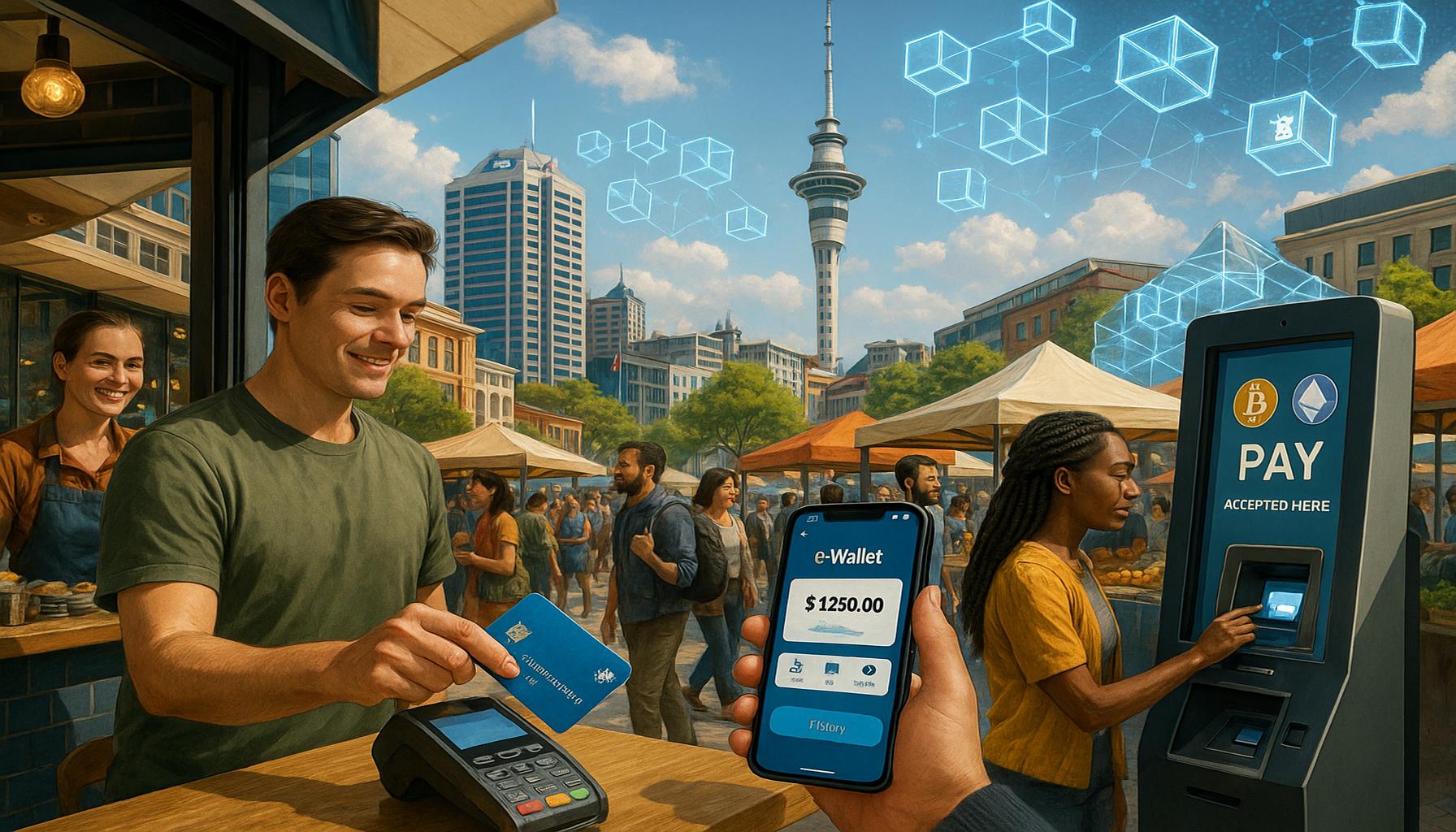
Mobile wallets such as Apple Pay and Google Pay have gained significant traction. These services enable users to link their bank accounts or credit cards, allowing them to make payments directly from their smartphones. For example, a shopper can simply tap their phone at a contactless terminal in major retailers like Countdown or The Warehouse, saving time and reducing the need for carrying cash. To get started, download the app, set up your preferred payment method, and ensure your phone is NFC-enabled to utilize mobile wallet features effectively.
Contactless Cards
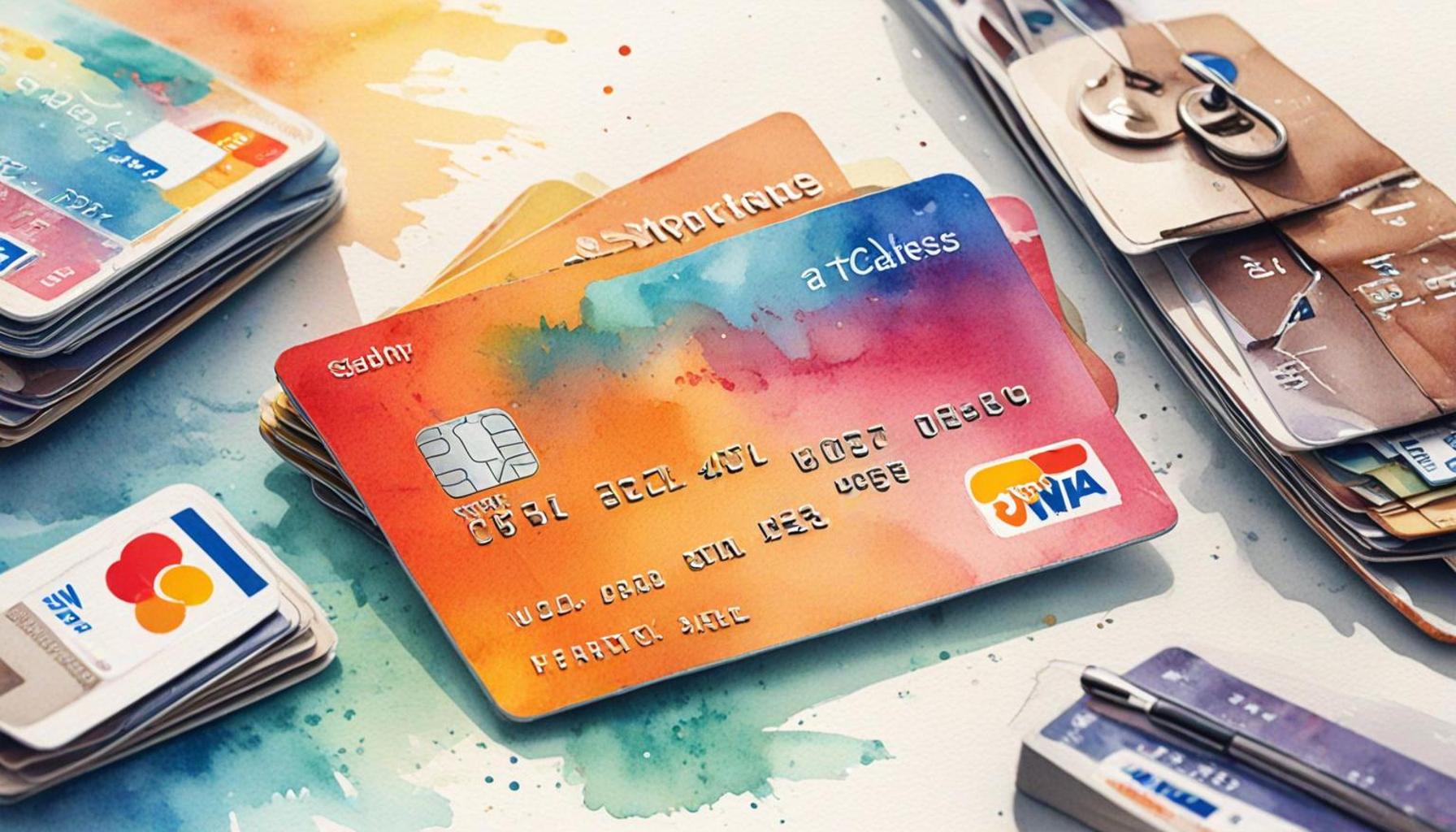
Another significant advancement is the introduction of contactless cards by various banks across New Zealand, including ANZ, Westpac, and ASB. These cards allow users to make quick payments by simply hovering the card over a compatible terminal without the need to enter a PIN for transactions under a certain limit. This expedites the checkout process, making it ideal for busy individuals. To benefit from this feature, check if your current bank card has contactless capabilities and familiarize yourself with any spending limits set by your bank.
Peer-to-Peer Payments
Peer-to-peer (P2P) payment platforms like PayPal and TransferWise (now known as Wise) have transformed how New Zealanders send money to friends and family. These services allow users to transfer funds quickly and securely using only an email address or phone number. For instance, splitting a dinner bill can be done instantly through these platforms, eliminating the need for cash handling. To use these services, create an account, add your bank account for funding, and you can start sending money with just a few taps.
QR Code Payments
In the realm of local businesses, QR code payments have become increasingly popular. This technology allows customers to pay directly by scanning a QR code displayed by the merchant. Small businesses and market vendors throughout New Zealand, such as those in the Wellington Night Market, are adopting this method for its practicality. To make a QR code payment, simply open your banking app or a dedicated payment app, choose the QR code scan option, and confirm the payment after scanning. This method not only streamlines the checkout process but also minimizes physical contact—an important consideration in today’s health-conscious environment.
As digital payments continue to take precedence, embracing these innovations is essential for adapting to the modern financial ecosystem. With improved user experiences and the solution of common financial challenges, New Zealand’s consumers are well-poised to take full advantage of these efficient payment methods.
SEE ALSO: Click here to read another article
Emergence of Digital Payment Solutions
The advancements in digital payment solutions in New Zealand are not only shaping consumer behavior but also influencing the entire retail landscape. The evolution began with online banking, which laid the groundwork for more advanced payment methods. Today, New Zealanders are embracing a variety of digital platforms that simplify transactions and improve financial management.
Online Banking
Online banking has become a fundamental aspect of financial management for New Zealanders. Most banks including Kiwibank, ANZ, and Westpac offer comprehensive online banking services, allowing customers to transfer funds, pay bills, and monitor their accounts with ease. To make the most out of online banking:
- Sign up for online banking with your bank. Ensure you have access to all functionalities by verifying your account settings.
- Enable alerts for transactions to stay informed about your spending patterns.
- Use budgeting tools available within your online account to track expenses and manage savings effectively.
These services pave the way for a seamless transition to more complex digital payment methods, providing a solid foundation for users.
Buy Now, Pay Later
In recent years, the Buy Now, Pay Later (BNPL) industry has taken off in New Zealand, with players like Afterpay and Laybuy leading the charge. BNPL services allow consumers to make purchases and spread payments over several installments, making high-value items more accessible. To use these services effectively:
- Research BNPL providers to find the best fit for your spending habits and preferred merchants.
- Understand the terms of each service, particularly regarding interest rates and repayment schedules.
- Set up reminders for payment due dates to avoid late fees and maintain a good credit score.
This financing option appeals particularly to younger consumers who prioritize flexibility and convenience in their purchasing decisions.
International Transfers and Cryptocurrencies
With globalization, the demand for international money transfers has surged. Services like Wise (formerly TransferWise) facilitate hassle-free cross-border transactions at competitive rates. Users are often drawn to these services for their transparency and speed. To initiate an international transfer:
- Create an account with a trusted provider like Wise.
- Input the recipient’s details and the amount you want to send.
- Review the fees and exchange rates before confirming the transaction.
Additionally, the emergence of cryptocurrencies like Bitcoin and Ethereum offers New Zealanders new ways to engage in financial transactions. While still in its early stages, digital currencies are becoming increasingly mainstream. Always ensure to:
- Research the volatility and regulations surrounding cryptocurrency before investing.
- Use secure wallets to safely store your digital currency.
As digital payment solutions continue to evolve, New Zealanders are quickly adapting to these technologies, which offer increased convenience, accessibility, and control over personal finances.
CHECK OUT: Click here to explore more
Integration of Mobile Wallets and Contactless Payments
As technology advances, mobile wallets and contactless payment systems have become increasingly popular among New Zealand consumers. These solutions simplify cashless transactions, allowing users to pay at the tap of a card or smartphone. Key players like Apple Pay, Google Pay, and Samsung Pay are readily accepted at many retailers, enhancing consumer convenience. To effectively use mobile wallets:
- Download your preferred mobile wallet app from a trusted source, such as the Apple App Store or Google Play Store.
- Link your bank account or credit card to the wallet by following the app’s prompts for secure integration.
- Enable biometrics or passcodes for an extra layer of security when making transactions.
- Look for contactless payment symbols at checkout to ensure the merchant accepts your chosen payment method.
This shift towards digital payment methods not only streamlines the buying process but also supports hygienic practices, allowing for touch-free transactions.
The Role of E-commerce Platforms
The increase in online shopping has revolutionized how New Zealanders conduct transactions. E-commerce platforms like Shopify and Trade Me provide integrated payment solutions, enhancing the online retail experience. Here’s how to make the most of these platforms:
- Set up secure payment gateways when starting an online business, which ensures safe transactions for both you and your customers.
- Consider various payment options to accommodate differing customer preferences, including credit cards and BNPL services.
- Regularly update your website to include trusted certifications that instill confidence in potential buyers.
Combining convenience with security, e-commerce platforms continue to reshape consumer habits as online shopping grows exponentially.
Regulatory Enhancements and Consumer Protection
With the rise of digital payment services, regulatory frameworks have adapted to protect consumers. The New Zealand government and bodies like the Financial Markets Authority (FMA) and Reserve Bank of New Zealand are ensuring that digital payment innovations comply with safety standards. Consumers are encouraged to:
- Stay informed about new regulations related to digital payments and any updates from regulatory authorities.
- Report any fraudulent activity to your bank and relevant authorities immediately to limit potential losses.
- Utilize consumer protection policies that safeguard your rights when using digital payment services.
This focus on regulation not only builds trust in digital payment systems but also encourages further innovation in financial technologies.
Trends Influencing Future Developments
As New Zealand’s digital payment landscape continues to evolve, several trends are shaping its future. The increasing adoption of artificial intelligence and machine learning is streamlining fraud detection, making transactions safer. New Zealanders can benefit from:
- AI-powered tools that monitor unusual spending patterns, alerting users to potential fraud.
- Personalized financial recommendations based on spending behavior, improving financial health.
- Innovations in biometric security that further enhance the security of digital transactions through facial recognition or fingerprints.
Keeping abreast of these trends can help consumers make informed decisions about their digital payment practices and look forward to a more secure financial environment. As these technologies mature, New Zealand’s digital payment services will undoubtedly remain at the forefront of financial evolution.
SEE ALSO: Click here to read another article
Conclusion
The evolution of digital payment services in New Zealand marks a significant transformation in how consumers and businesses engage in financial transactions. The shift towards mobile wallets, contactless payments, and integrated e-commerce platforms reflects a growing demand for convenience, speed, and security. As New Zealanders increasingly embrace these technologies, it becomes essential to prioritize security through measures such as biometric verification and secure payment gateways.
Moreover, the role of regulatory authorities is crucial in ensuring that the rapid advancements in payment technologies comply with safety standards, protecting consumers from fraud and fostering trust in digital systems. Staying informed about these regulations and utilizing consumer protection policies can empower users to navigate the evolving landscape confidently.
Looking ahead, trends like artificial intelligence and machine learning promise to further enhance the security and efficiency of digital transactions. By adopting these innovations, consumers can expect not only a smoother payment experience but also improved financial management through personalized tools. As digital payment solutions continue to advance, New Zealand is well-positioned to lead in secure, efficient, and customer-friendly payment services.
In summary, by staying proactive in learning about these developments and incorporating their best practices, consumers can make well-informed decisions, ensuring a seamless transition into the future of digital payments.

Linda Carter
Linda Carter is a writer and financial expert specializing in personal finance and financial planning. With extensive experience helping individuals achieve financial stability and make informed decisions, Linda shares her knowledge on the our platform. Her goal is to empower readers with practical advice and strategies for financial success.