Tips for Managing Credit Card Use and Avoiding Debt in Denmark
Managing Credit Card Use Effectively
In today’s fast-paced world, staying on top of credit card use is essential. Adopting a few straightforward strategies can significantly help in managing your finances. Credit cards can be powerful financial tools when used wisely, but they can also lead to debt if not monitored closely.
Set a Budget
To begin, allocate a specific amount for credit card expenses each month. This can be achieved by carefully assessing your monthly income and responsible spending habits. Consider what recurring expenses, such as groceries or transport, can be charged and ensure they fit within an assigned budget. For example, if your monthly budget allows for NZD 300 in credit card spending, plan your purchases accordingly. You might decide to use your card for fuel and groceries, while keeping larger discretionary expenses in check.
Track Spending
Regularly review your transactions by using banking apps or spreadsheet tools to monitor your spending. Most financial institutions in New Zealand provide apps where you can categorise purchases in real-time, making it easier to spot trends and adjust accordingly. For instance, if you notice that restaurant spending is taking a toll on your budget, you can decide to limit dining out for the month and explore cheaper alternatives.
Pay On Time
One of the simplest yet most effective strategies is to avoid late fees and interest charges by making payments on or before the due date. Set reminders on your phone or calendar so that you never miss a payment. Additionally, consider automating your payments to eliminate the risk of late fees altogether. For instance, if your payment is due on the 15th of each month, schedule an automatic payment to coincide with your income to ensure it’s covered.
Limit Credit Card Use
To mitigate risk, only use credit cards for essential purchases or emergencies. This may include unavoidable expenses such as unexpected car repairs or medical bills. If you must make a discretionary purchase, ask yourself if it’s necessary or if it can wait. For example, instead of splurging on the latest smartphone, consider saving for a few months to buy it outright.
Know Your Interest Rates
Be aware of the interest rates associated with each card. New Zealanders often have access to various credit cards with differing terms. Knowing the precise interest rate on each card can help guide your decisions on which card to use for purchases. If one card has a lower rate and better terms, using it for significant purchases can help you save money in the long run.
Utilize Reward Programs
Finally, make the most of cashback or loyalty programs but do so responsibly. Many credit cards in New Zealand offer rewards for each dollar spent, which can accumulate into significant savings or benefits over time. However, ensure that you are not drawn into overspending simply to maximise rewards. For example, if your card offers 1% cashback, it’s smart to keep an eye on whether your purchases are genuinely necessary or if you’re simply trying to earn rewards.
By consistently applying these tips, you can maintain control over your credit cards and foster a healthier financial life. Remember, the goal is to use credit wisely and avoid unnecessary debt accumulation. Adopting good habits early on will set you up for financial success today and in the future.
SEE ALSO: Click here to read another article
Understanding Your Credit Card Terms
To effectively manage your credit card use, it is crucial to understand the specific terms and conditions associated with your card. Reviewing these details can help you make informed decisions and avoid pitfalls that lead to debt.
Review Fee Structures
Each credit card comes with its own fee structure, which may include annual fees, transaction fees, and late payment fees. Take the time to read through these fees to understand how they may impact your budget. For example, a card with a low interest rate but high annual fees might not be suitable for your financial situation. Create a checklist and consider the following:
- Annual Fees: Is there an annual fee, and how does it compare to the benefits?
- Transaction Fees: Are there foreign transaction fees when using the card abroad?
- Late Payment Fees: What are the penalties for missing a payment?
Understand Your Credit Limit
Your credit limit is the maximum amount you can borrow on your card. To maintain healthy credit usage, aim to keep your balance well below this limit. A good rule of thumb is to use no more than 30% of your available credit. For instance, if your credit limit is NZD 1,000, try to keep your spending below NZD 300 at any time. This practice not only enhances your financial responsibility but also positively impacts your credit score.
Know Your Grace Period
The grace period is the time allowed to pay off your balance without incurring interest. Familiarize yourself with how your card’s grace period works. If you pay the balance in full within this period, you can avoid interest charges completely. For example, if your statement date is on the 1st of the month and you have a 21-day grace period, aim to pay the balance by the 22nd to avoid fees.
Stay Updated on Promotional Offers
Credit card companies frequently offer promotional rates, such as 0% interest on balance transfers for a limited time. Take advantage of these offers if you are looking to pay down debt. However, read the fine print and ensure that you understand when the promotional rate ends and what the standard rates will revert to. Failure to plan for this could lead to higher payments in the future.
By fully understanding your credit card terms and conditions, you can make informed choices that help avoid unnecessary debt. Staying proactive in financial management is essential for a secure financial future.
SEE ALSO: Click here to read another article
Creating a Budget and Sticking to It
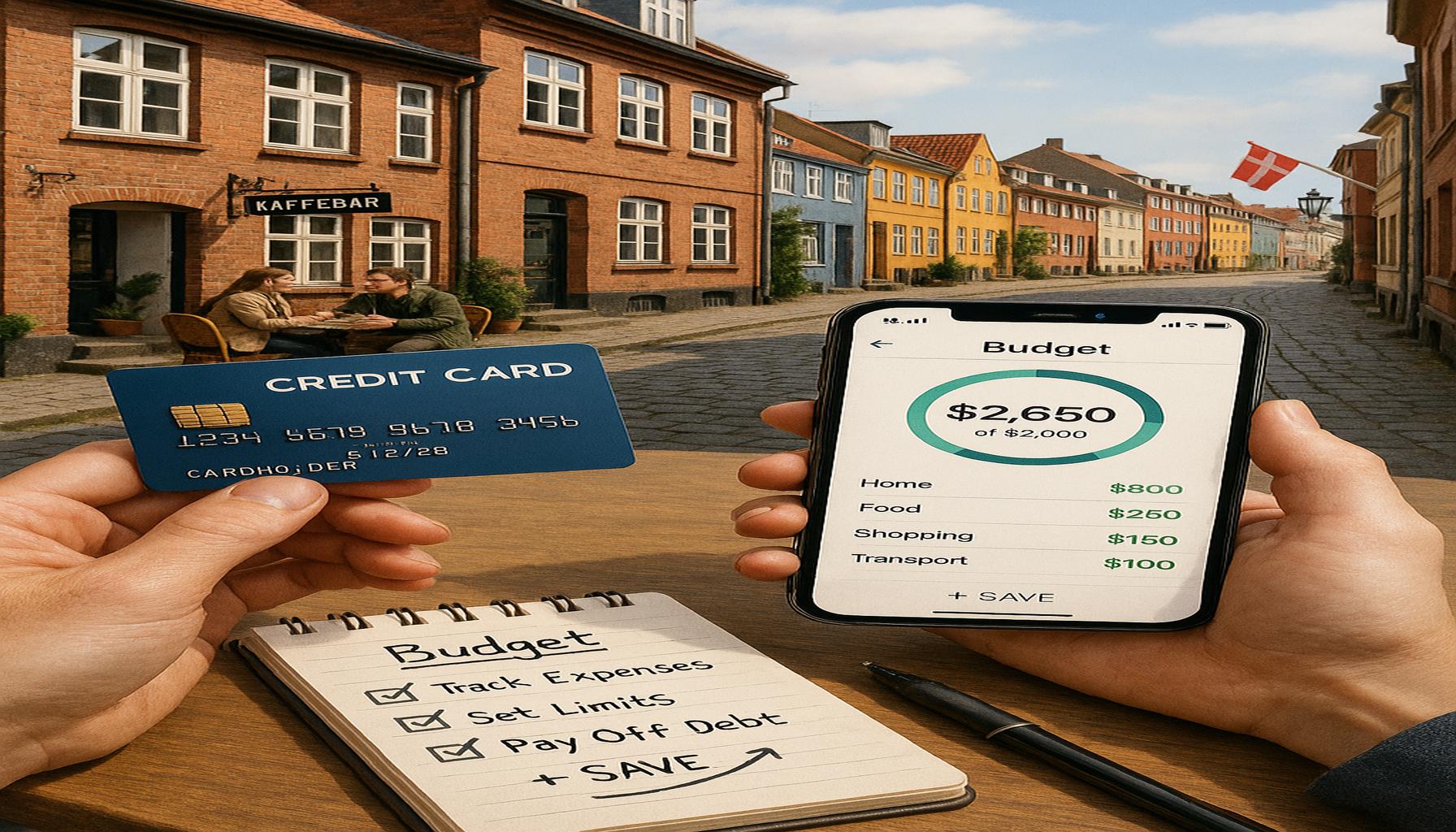
To efficiently manage credit card use and prevent accumulating debt, establishing a realistic budget is essential. A budget helps track your income and expenditures, allowing for better control over your spending habits.
Track Your Spending
Begin by reviewing your past credit card statements to understand your spending patterns. Categorize your expenses into essential (rent, groceries, utilities) and non-essential (eating out, entertainment). This analysis will help you identify areas where you can reduce spending. Use budgeting apps or spreadsheets to keep this information organized and easily accessible.
Set a Monthly Limit
Once you have a clear understanding of your spending, set a monthly limit for credit card use. This limit should align with your overall budget and account for essential and discretionary expenses. For example, if your discretionary spending is NZD 600 a month, allocate only a portion, like NZD 200, to your credit card. This strategy keeps you within acceptable spending limits and aids in avoiding excessive debt.
Automate Payments
To ensure timely payments and avoid late fees, consider automating your credit card payments. Set up automatic payments for the full balance or at least the minimum amount each month. This step minimizes the risk of missed due dates and protects your credit score. Ensure that you have sufficient funds in your bank account to cover these payments to avoid overdraft fees.
Regularly Review Your Budget
Make it a habit to review your budget monthly. Monitor your spending, assess if you’re within your limits, and adjust as necessary. Life changes, such as increased living costs or unexpected expenses, may necessitate budget changes. By staying adaptable, you can effectively manage your credit card usage and prevent debt accumulation.
Limit New Credit Applications
Refrain from applying for multiple credit cards simultaneously. Each application can lower your credit score, impacting your ability to obtain new credit in the future. Limit new credit applications to only those necessary for specific benefits or rewards. This approach allows you to maintain a healthy credit profile while using existing cards responsibly.
Evaluate Your Needs for Credit
Before making significant purchases, assess whether credit is necessary. For example, if considering a large expense like travel or electronics, evaluate if you can afford the item outright instead of relying on credit. Use your credit card wisely for purchases that fit within your budget, which can help in avoiding interest and repaying debt quickly.
Implementing these budgeting strategies can significantly help you maintain control over your credit card usage, curtail unnecessary debt, and promote a healthier financial lifestyle in New Zealand.
CHECK OUT: Click here to explore more
Conclusion
Managing credit card use effectively is essential for maintaining financial health and avoiding debt. Start by establishing a clear budget, where you monitor both your income and expenses. This will create a solid foundation for understanding how much you can afford to spend on your credit card without falling into debt.
Prioritizing spending tracking can help identify areas for potential savings. By categorizing expenses, you can quickly locate non-essential spending that may be reduced or eliminated. Additionally, setting a monthly limit on your credit card usage provides a safeguard against overspending and helps reinforce discipline in financial habits.
Automating your credit card payments is another critical step. By doing so, you protect yourself from late fees and credit score damage, ensuring timely payments without the need for constant reminders. Regularly reviewing your budget allows you to adjust to changing circumstances. This adaptability is crucial in responding to any financial shifts you may face, keeping your spending habits aligned with your financial capabilities.
Limit new credit applications to maintain a healthy credit profile, and critically assess the necessity of credit before major purchases. Use your credit card strategically for purchases that you can afford within your budget to avoid costly interest payments. Following these tips will simplify your financial management and pave the way for a debt-free lifestyle in Denmark, ensuring that your credit card works for you rather than against you.

Linda Carter
Linda Carter is a writer and financial expert specializing in personal finance and financial planning. With extensive experience helping individuals achieve financial stability and make informed decisions, Linda shares her knowledge on the our platform. Her goal is to empower readers with practical advice and strategies for financial success.