Tips to Avoid Credit Card Debt and Keep Your Finances Healthy
Understanding Your Financial Health
Managing credit card debt effectively is crucial for maintaining a stable financial future. For many in New Zealand, credit cards are a convenient financial tool, but misuse can lead to overwhelming debt. Therefore, adopting a proactive financial management approach is essential to ensure that credit card balances remain manageable.
Create a Budget
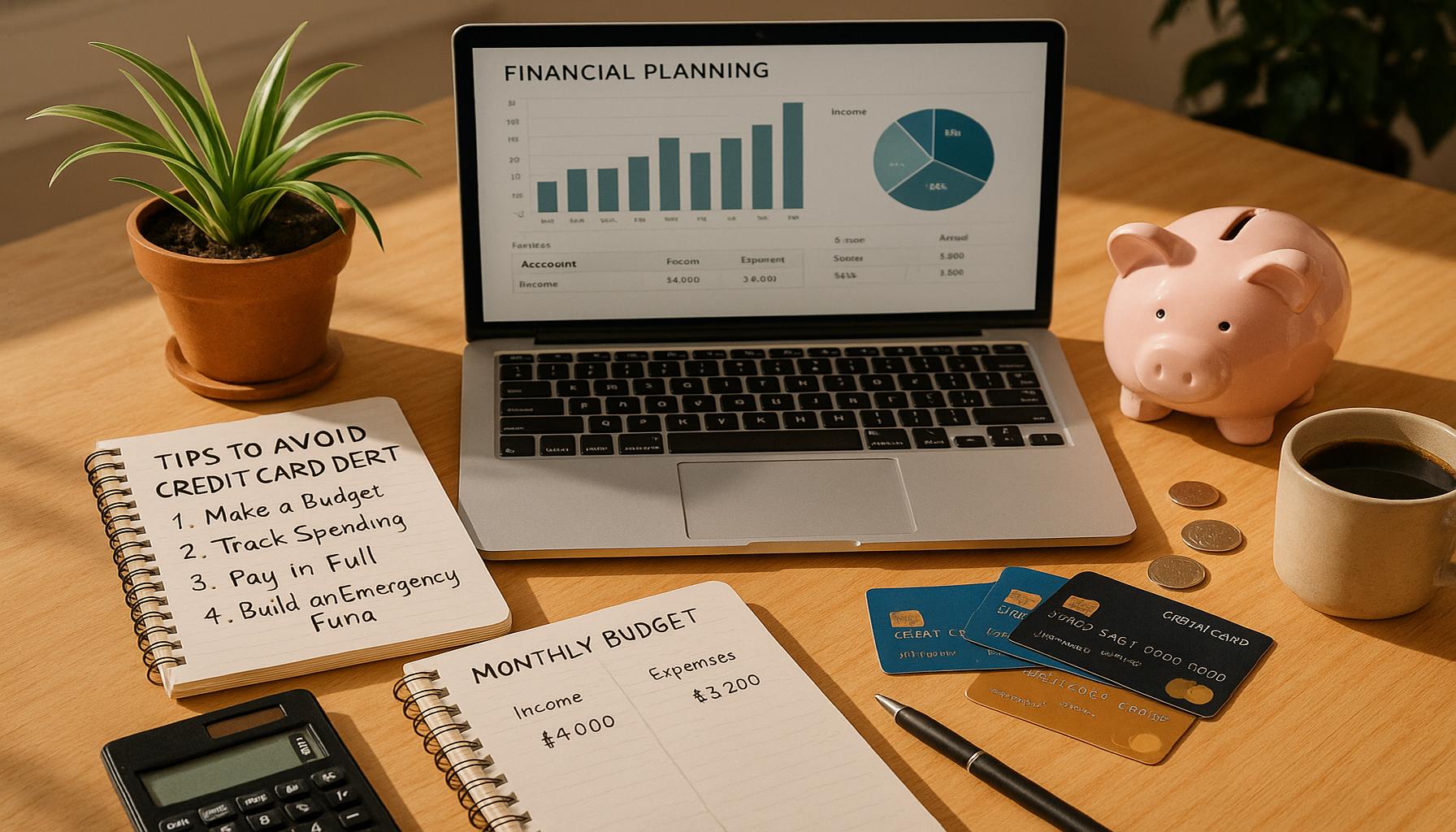
Establishing a clear monthly budget is the first step in taking control of your finances. Begin by listing all sources of income, including salaries, bonuses, and any other earnings. Next, detail all monthly expenses, from essentials such as rent, groceries, and utilities to discretionary spending like entertainment and dining out. By creating this financial blueprint, you can clearly see where your money goes and identify areas where you can cut back.
Pay More Than the Minimum
Credit card companies often encourage consumers to make only the minimum payment each month. However, doing so can lead to prolonged debt accumulation due to high-interest rates. To combat this, aim to pay significantly more than the minimum. For instance, if your minimum payment is $150, consider paying at least $300. This approach can drastically reduce the total interest paid and shorten the repayment period.
Limit Credit Card Use
Restricting credit card use to necessary purchases can significantly aid in managing debt. Before making a purchase, ask yourself if it’s essential or if it can wait. This disciplined approach helps to avoid impulse buys and ensures that any charges on your credit card are manageable. For instance, consider using cash or a debit card for non-essential items, which can help in staying within your budget.
Automate Payments
Setting up automatic payments for your credit card bill will help you stay on track and avoid late fees. Choose a payment date shortly after your income is received each month to ensure funds are available. This method not only alleviates the stress of manual payments but also improves your credit score by demonstrating consistent payment behavior.
Monitor Your Spending
Regularly reviewing your credit card statements is vital. Take the time each month to analyze your expenditures and identify spending patterns. Use smartphone apps or software tools that can help categorize your spending and alert you when you approach budget limits. Tools like Xero or Pocketbook can be particularly useful, as they are designed for New Zealand users and can offer insights into spending habits.
In summary, effectively managing credit card debt necessitates a structured approach. By creating a budget, paying more than the minimum, limiting credit card usage, automating payments, and monitoring your expenditure, you are taking fundamental steps towards financial stability. Act swiftly to avoid the pitfalls of debt, and you’ll pave the way for a secure economic future in New Zealand.
SEE ALSO: Click here to read another article
Practical Steps to Safeguard Against Credit Card Debt
Credit card debt can quickly spiral out of control if not managed correctly. To maintain a healthy financial profile, it is essential to implement straightforward strategies that enhance your financial discipline. Here are key steps you can take to avoid falling into the credit card debt trap:
Set Clear Financial Goals
Establishing specific financial goals will provide direction and motivation for managing your credit card usage. Consider setting both short-term and long-term goals. Examples include:
- Short-term: Pay off your credit card balance within six months.
- Long-term: Save for a deposit on a home or a car.
By having clear objectives, you can allocate your resources more effectively, ensuring you focus on repaying debt and saving rather than accruing more charges.
Understand Your Credit Card Terms
Familiarizing yourself with your credit card’s terms is crucial. Know the following:
- Interest Rates: Be aware of the APR (Annual Percentage Rate) on your card. This rate directly impacts the cost of debt.
- Fees: Understand any potential fees, such as annual fees, late payment fees, or foreign transaction charges.
- Rewards: If your card offers rewards, learn how to maximize them without incurring additional debt.
Having clear knowledge of these factors will empower you to make informed decisions about card usage and facilitate better financial planning.
Use Credit for Necessary Purchases Only
Limit your credit card use strictly to essential purchases. This means items that are necessary for your daily living or those that contribute to your financial goals. For example, opt to use your credit card for:
- Groceries that are within your budget.
- Emergency expenses, such as car repairs, if no other payment methods are available.
- Building credit through responsible usage.
By following this restraint, you can avoid accumulating non-essential debt that can hinder your financial stability.
Crack Down on Unused Credit Cards
If you possess multiple credit cards, consider consolidating your accounts. Having too many open lines of credit can complicate your financial landscape. Not only can it lead to overspending, but it can also affect your credit score. To simplify your finances:
- Review all your credit cards and note which ones are seldom used.
- Close accounts that are not helpful, but do this cautiously to avoid negatively impacting your credit score.
- Focus on maintaining one or two cards that offer the best benefits.
This strategy helps streamline your payments and reduces the temptation to overspend.
In conclusion, avoiding credit card debt requires a blend of planning and discipline. By setting clear financial goals, understanding your credit terms, using credit judiciously, and managing the number of cards you hold, you can build a solid foundation for your financial health in New Zealand.
CHECK OUT: Click here to explore more
Strategies for Managing Credit Card Debt Wisely
Aside from the tangible actions you can take to avoid accruing credit card debt, implementing effective management strategies plays a vital role in your financial health. Here are some actionable tips to ensure you keep your credit card use in check:
Create a Monthly Budget
A comprehensive monthly budget is an essential tool for maintaining financial discipline. By laying out your income against your expenses, you give yourself a clear picture of your financial situation. Follow these steps:
- List all your income sources: Include salary, rental income, and any side jobs.
- Identify fixed and variable expenses: Fixed expenses are rent or mortgage, while variable expenses include groceries and entertainment.
- Allocate a specific amount for credit card payments: Designate a portion of your budget specifically for paying down credit card debt.
Review your budget regularly to adjust for any changes in your income or necessary expenses. This ongoing evaluation will help you stay on track and avoid unnecessary charges.
Pay More Than the Minimum Payment
Making only the minimum payment each month can prolong your debt and increase the amount of interest you pay. To tackle your debt more effectively, consider these strategies:
- Pay as much as you can: If you can afford to, pay more than the minimum amount. This reduces your principal balance faster.
- Prioritize high-interest cards: Focus on paying off cards with the highest interest rates first, while making at least minimum payments on others.
- Automate your payments: Schedule automated payments to ensure you never miss a due date, thus avoiding late fees.
This approach will help you chip away at your debt, saving you money in the long term.
Utilize Balance Transfers Wisely
If you have significant credit card debt, a balance transfer could be a viable option if used judiciously. Here’s how to do it effectively:
- Research low or zero-interest balance transfer offers: Many banks in New Zealand provide promotional rates, which can significantly reduce your interest costs.
- Read the fine print: Understand the terms and conditions, including any applicable fees after the promotional period ends.
- Have a repayment plan: Ensure that you have a plan to pay off the transferred balance before the promotional interest rate expires.
Using balance transfers responsibly can save you money and streamline your debt payments.
Monitor Your Credit Score Regularly
Keeping an eye on your credit score is essential, as it impacts various aspects of your financial life, including loan approval and interest rates. Here’s what you can do to stay informed:
- Obtain a free credit report: In New Zealand, individuals are entitled to a free credit report once a year. Use this opportunity to check for inaccuracies.
- Set alerts for significant changes: Use financial apps or services that notify you of any significant changes to your credit score.
- Understand the factors affecting your score: Be aware of how credit utilization, payment history, and other factors influence your score to maintain or improve it.
Proactively monitoring your credit score will help you identify potential issues before they escalate and keep your financial health on track.
SEE ALSO: Click here to read another article
Strategies for Effective Financial Management
Effective financial management is not just about avoiding credit card debt; it’s also about building a secure financial future. To achieve this, take actionable steps that lead to substantial improvements in your financial health. First, create a detailed budget that itemizes your income and expenses. This clarity will help you identify potential areas for cost-cutting. Use apps or spreadsheets specifically designed for budgeting to make tracking easier. Allocate funds for savings and essential expenses before discretionary spending.
Next, to combat credit card debt efficiently, strive to pay more than the minimum amount due on your credit card statements. Even small additional payments can considerably reduce your overall interest paid over time. Aim for at least double the minimum payment if feasible. Additionally, consider using balance transfers to manage existing debt. Look for credit cards that offer introductory low or zero-interest balance transfer rates. Prior to proceeding, ensure you have a definitive repayment strategy to avoid falling into a worse financial situation.
Monitoring Your Financial Health
It’s vital to regularly monitor your credit score, as this number can significantly impact your ability to borrow money at competitive rates. In New Zealand, you are entitled to a free credit report annually. Take this opportunity to evaluate your report for inaccuracies that may negatively influence your score. If you find errors, promptly dispute them with the credit reporting agency.
Additionally, consider setting up alerts on your credit accounts. These alerts can notify you of unusual transactions or when you’re approaching your credit limit, allowing for timely intervention if necessary. Establish a simple routine of checking your finances weekly; this proactive habit keeps you in control and encourages better decision-making.
Commitment to Financial Health
By implementing these strategies consistently, you can effectively manage your finances and avoid the common pitfalls of credit card debt. Staying committed to budgeting, regular payments, and proactive monitoring will enhance your financial well-being over the long term. Take actionable steps now, and pave the way to a more secure financial future.

Linda Carter
Linda Carter is a writer and financial expert specializing in personal finance and financial planning. With extensive experience helping individuals achieve financial stability and make informed decisions, Linda shares her knowledge on the our platform. Her goal is to empower readers with practical advice and strategies for financial success.