
Tips to Save on Daily Expenses and Increase Your Savings
Ways to Effectively Reduce Expenses
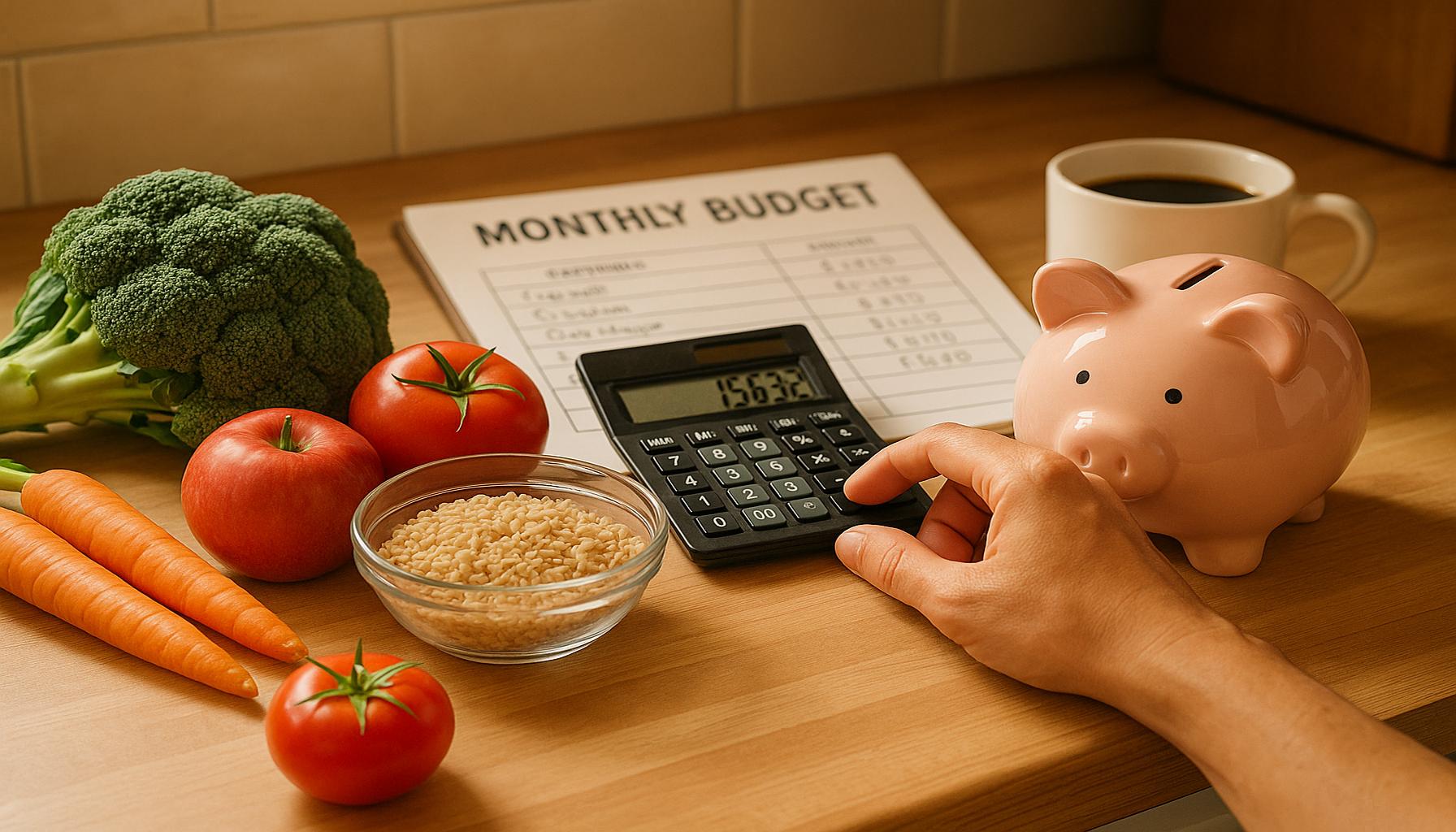
Managing your daily expenses is essential for improving your financial health. With just a few adjustments, you can significantly increase your savings. Here are some quick tips to get you started:
- Track Your Spending: Utilize budgeting apps such as Pocketbook or MoneyBrilliant, or create a simple spreadsheet to monitor where your money goes monthly. Include categories like groceries, transport, and entertainment to identify areas for improvement.
- Cook at Home: Preparing your meals can save you considerable money when compared to dining out or ordering takeaways. Consider implementing meal planning—choose a day each week to plan your meals and prepare them in advance. This can reduce food wastage and grocery expenses significantly.
- Use Public Transport: Embrace public transit options such as buses or trains instead of driving your car, which incurs fuel and parking costs. New Zealand’s public transport systems are often reliable and can help you save on vehicle maintenance as well.
Small changes can lead to substantial savings over time. Here’s more to consider:
- Limit Impulse Purchases: To avoid unnecessary spending, create a shopping list before going to the supermarket or any retail store. Stick to your list and avoid shopping when you’re hungry or stressed, as this often leads to buying items you don’t need.
- Shop the Sales: Take advantage of discounts during seasonal sales, especially in New Zealand when retailers offer significant markdowns during holidays like Labour Day or Black Friday. Use apps or websites to stay informed about sales and plan your purchases accordingly.
- Cancel Unused Subscriptions: Regularly assess your subscriptions, including streaming services, gym memberships, or magazine subscriptions. If you find any that are rarely used, consider canceling them to free up monthly funds.
By implementing these strategies, you’ll be well on your way to increasing your savings. The key is consistency and being mindful of your spending habits. Start with one or two of these suggestions and gradually incorporate more into your routine. Every little adjustment can contribute to a healthier financial future.
SEE ALSO: Click here to read another article
Smart Strategies to Cut Costs
Managing your finances effectively allows you to streamline your daily expenses and boost your savings. By employing practical strategies, you can significantly reduce unnecessary spending while still enjoying the quality of life you desire. Below are some actionable tips designed to help you control your finances in a straightforward way.
Set a Budget
Establishing a realistic budget is foundational for effective financial management. Start by calculating your total income and categorizing your expenses into essential and discretionary. Essential expenses may include housing, utilities, and groceries, while discretionary spending could encompass entertainment and dining out. Once you have these figures, allocate a specific amount to each category and set limits for discretionary items. It’s important to review and adjust your budget regularly, especially as your financial situation or goals change. A budgeting app, such as Pocketbook or YNAB (You Need A Budget), can help you keep track of your expenses and remind you of your limits.
Opt for Generic Brands
Shopping for groceries provides an excellent opportunity to save money. Consider purchasing generic or store-brand products instead of well-known name brands. A common misconception is that generic options are of lower quality; however, many are produced by the same manufacturers as name brands but sold at a significantly reduced price. Doing a side-by-side comparison may reveal that you can save up to 30% on everyday items like canned goods, cereals, and cleaning supplies without sacrificing quality.
Eliminate Unnecessary Bills
Take the time to review your utility and service bills meticulously. Small changes can lead to substantial savings. For instance, switching to energy-efficient appliances not only lowers your utility bills but can also contribute to a more sustainable lifestyle. Additionally, contact your internet and phone service providers to inquire about potential discounts or loyalty schemes. Don’t hesitate to shop around for better deals; even $10 a month saved adds up over a year, resulting in an extra $120 in your pocket.
Leverage Technology
In today’s digital age, technology can significantly assist in financial management. One effective way to enhance your savings is by utilizing cashback and rewards programs. Many New Zealand retailers offer cashback options or loyalty points that can be redeemed for discounts or free items. Always keep an eye out for promotional offers that enhance your purchases.
Another useful tip is to automate your savings. Set up an automatic money transfer to your savings account each payday. This way, you treat savings as a necessary expense. Starting small, such as saving $20 a week, allows you to gradually increase that amount as you get comfortable with your budget. You’ll be surprised at how quickly these small amounts accumulate.
Participate in Community Events
Finally, explore free or low-cost activities in your community. Participate in local festivals, markets, or workshops, which often provide enjoyable entertainment at no charge. These events not only entertain but also foster community connections, allowing you to engage without incurring hefty costs.
By adopting these smart strategies for cost-cutting, you can make substantial improvements to your financial health. Begin by implementing one or two of these approaches today, and watch as your efforts compound over time, ultimately leading to increased savings and better financial stability.
CHECK OUT: Click here to explore more
Maximizing Your Savings Potential
In addition to cutting costs, there are several proactive strategies you can implement to maximize your savings potential. These options not only help in the short term but also establish a solid financial foundation for the future.
Utilise Public Transport
If you live in a city like Auckland or Wellington, consider using public transport instead of driving. This can save you on petrol, parking fees, and wear-and-tear on your vehicle. Invest in a public transport card, which often provides discounted fares. If possible, combine errands into a single trip to further reduce costs associated with travel.
Prepare Meals at Home
Eating out can significantly inflate your monthly expenses. By cooking at home, not only can you save money but you can also control the ingredients and portion sizes. Plan your weekly meals in advance, create a shopping list, and avoid impulse purchases. Batch cooking for the week can save both time and money, allowing you to use bulk ingredients effectively. Implementing this habit can save you hundreds each year and also improve your overall health.
Monitor Subscription Services
Review your subscription services regularly, including streaming platforms, gym memberships, or magazines. Often, we subscribe to services and forget about them, leading to unnecessary monthly fees. Consider whether you use each service regularly; if not, cancel or pause subscriptions. You might also look for family plans or bundled services that can provide better value.
Shop Smartly
When shopping, always plan ahead. Use price comparison websites to find the best deals on the items you need. Take advantage of sales, but don’t be tempted to buy unnecessary items on sale. Additionally, visiting local markets or discount stores can uncover great bargains on fresh produce and household goods. Always keep a few essential non-perishables on hand, as this can help prevent last-minute takeout orders, which can be costly.
Negotiate Your Bills
Don’t hesitate to negotiate your bills. Many people are unaware that service providers are often willing to offer discounts to retain customers. This could apply to your phone, internet, or insurance providers. Reach out and ask if they have any promotions or discounts available, or if they can lower the rates. A simple phone call could save you a significant amount every month.
Reduce Energy Consumption
Small changes in your energy consumption habits can lead to invaluable savings. For instance, consider turning off lights in unused rooms, unplugging electronics, and setting thermostats appropriately. Implementing energy-saving practices not only lowers your utility costs but also contributes to environmental sustainability.
Plan for Cash Purchases
Using cash can sometimes help curb spending. Try allocating a fixed amount of cash for discretionary spending each week. Once the cash is gone, avoid further purchases. This method reinforces a tangible sense of spending and helps to limit impulse buys that occur when using credit or debit cards.
By actively applying these strategies, you can enhance your saving techniques while learning to manage your daily expenses more effectively. Start implementing these tips today for immediate financial benefits and long-lasting savings growth.
SEE ALSO: Click here to read another article
Effective Strategies for Financial Control
Taking control of your financial future is essential, and it begins with practical strategies aimed at saving on daily expenses. The first step is to evaluate your current spending habits. Take a close look at your bank statements and identify areas where you can cut back. For example, if you notice frequent coffee shop visits, consider brewing your coffee at home. This simple change can save you hundreds of dollars over the year.
Meal Planning and Preparation
Engaging in meal planning is another effective way to reduce expenses. Prepare nutritious meals at home using seasonal produce and budget-friendly ingredients. For instance, incorporating more legumes, such as lentils and beans, into your meals can be both economical and healthy. Don’t forget to create a shopping list before you head to the supermarket; this helps to avoid impulse buys and stick to your budget.
Transportation Savings
Utilizing public transport can also significantly lessen your travel costs. In cities like Auckland or Wellington, using buses and trains often costs less than maintaining a car. Additionally, consider carpooling with friends or colleagues to save on fuel costs. Check your local transport website for options and potentially discounted fares.
Negotiating and Monitoring Expenses
Don’t hesitate to negotiate your bills—whether it’s your internet plan, mobile services, or insurance. Many providers offer promotional rates or loyalty discounts that can lower your costs. Take the time to compare plans and see what options are available.
Subscription Services Awareness
Monitoring your subscription services is crucial in uncovering hidden costs. Many people forget subscriptions like streaming services or gym memberships that they no longer use. By canceling these, you free up funds that can go toward savings or more meaningful expenses.
Smart Shopping Practices
When shopping, always conduct price comparisons, particularly for big-ticket items. Use websites or apps that give you the best prices available in your area. This will enhance your ability to make informed purchasing decisions. Also, remember that even small changes, such as adjusting your energy consumption—like turning off lights or using energy-efficient appliances—can lead to significant savings over time.
Implementing a Cash-Only Budget
Finally, consider adopting a cash-only budget for discretionary spending. Withdraw a fixed amount of cash each week for non-essential purchases. This reduces the temptation to overspend using credit cards and helps instill discipline in your spending habits.
By consistently applying these tips, you will not just see immediate savings but also foster a mindset geared towards long-term financial stability. Start implementing these strategies today and watch your savings grow, which will create room for future investments or unexpected expenses.

Linda Carter
Linda Carter is a writer and financial expert specializing in personal finance and financial planning. With extensive experience helping individuals achieve financial stability and make informed decisions, Linda shares her knowledge on the our platform. Her goal is to empower readers with practical advice and strategies for financial success.